Protecting Public Spaces in a Changing World
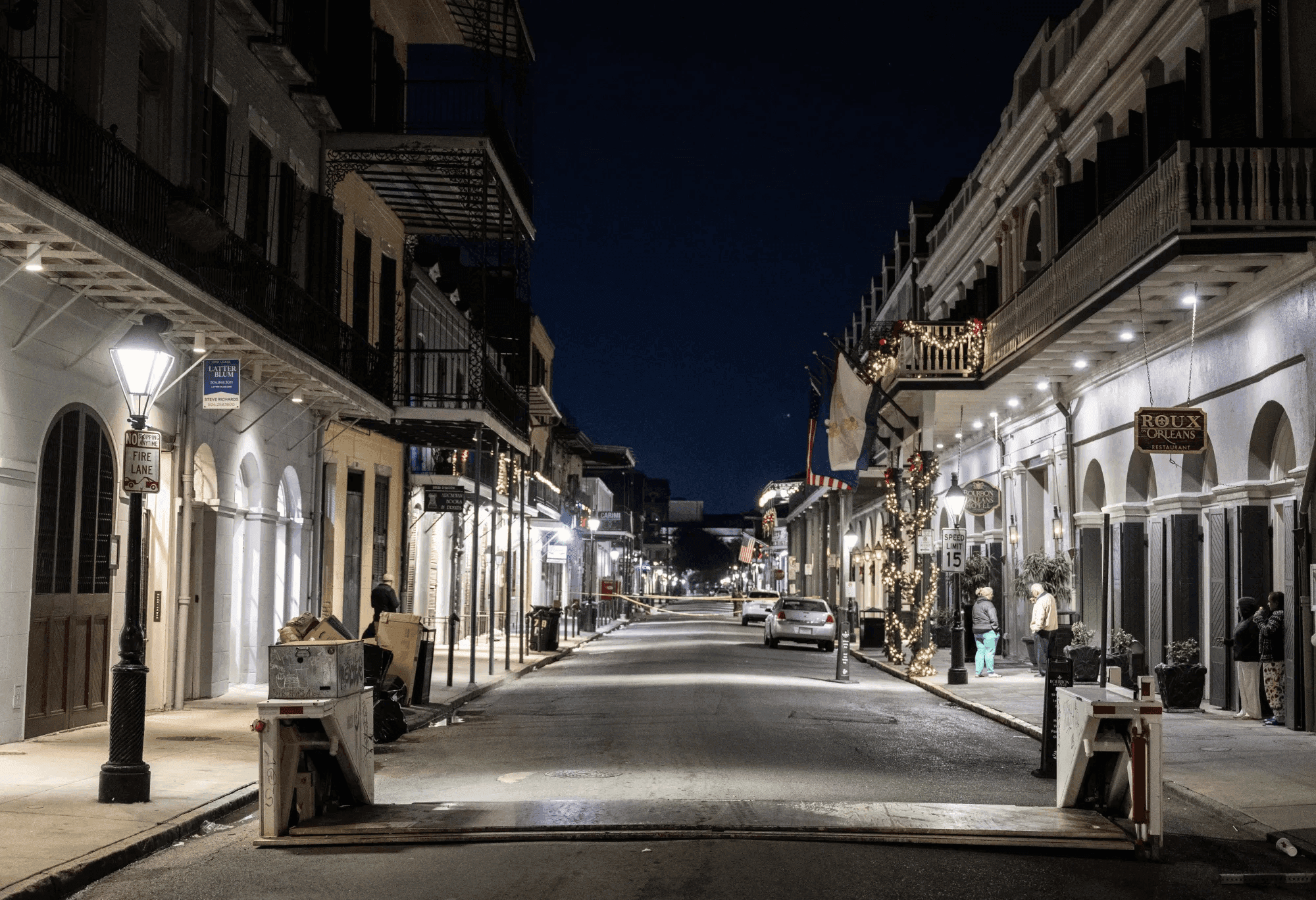
In recent years, cities worldwide have been forced to confront a difficult reality: crowded public spaces remain vulnerable to vehicles, whether through accidents, negligence, or deliberate attacks. As cars and trucks grow larger, faster, and increasingly electric, the risks o...
By Rob Reiter · Storefront Safety Initiative · August 24, 2025 · 2 min read
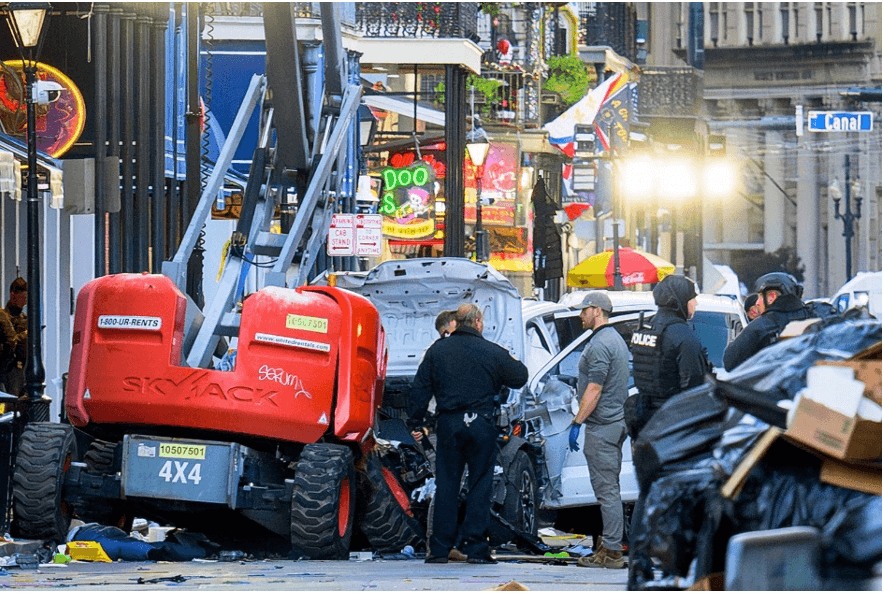
In recent years, cities worldwide have been forced to confront a difficult reality: crowded public spaces remain vulnerable to vehicles, whether through accidents, negligence, or deliberate attacks. As cars and trucks grow larger, faster, and increasingly electric, the risks only rise.
The debate is no longer just about putting up bollards or barriers. It’s about balancing safety with accessibility, protecting people without turning vibrant streets into fortress-like zones. Some cities experiment with design solutions (sculptural barriers, landscaped buffers, or flexible systems) while others rely heavily on enforcement and temporary barricades. Each approach carries trade-offs.
Ultimately, safety in public spaces is about more than steel and concrete. It requires coordination across city agencies, investment in resilient infrastructure, and a recognition that businesses, communities, and governments all share responsibility.
Several recent articles shed light on these issues, from the failures that allowed one attack to unfold, to the broader challenges posed by heavier EVs, to the policy debates surrounding bollards and urban design.
📄 Read more in the full articles below:
Bourbon Street_Bloomberg_What Can Cities Do to Protect Public Spaces From Vehicle Attacks Download • 4.09MB
Bourbon Street_Slate_What Our First Big EV Terror Attack Can Tell Us About Car Safety .docx Download DOCX • 2.21MB
Bourbon Street_Washington post_ How New Orleans failed to protect Bourbon Street .docx Download DOCX • 5.07MB
Bourbon Street_Boston 25 News_New Orleans attack leads to renewed push for bollards in Mas . Download • 1.01MB